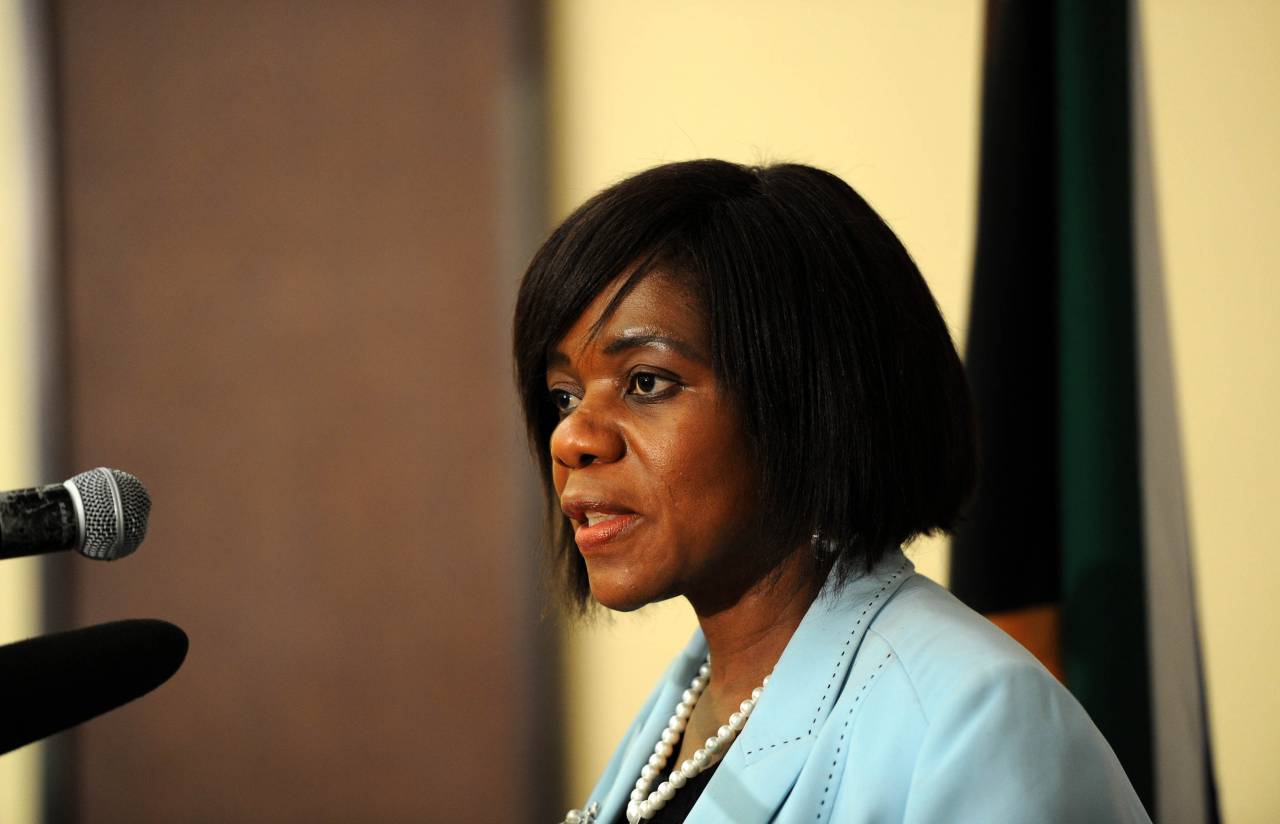
Many South Africans from all corners of the country have expressed an annoyance at the African National Congress’ (ANC) apparent attack on the Public Protector, Ms Thuli Madonsela. The ANC is arguing that the Public Protector is not doing her work in compliance with the constitution.
The public understands these opinions as “unwarranted attacks” on the Office of the Public of the Protector and, in some cases, on Ms Madonsela in her individual capacity. Many have jumped on the “ANC is undermining the rule of law and independence of the Office Public Protector” bandwagon. They assert that the independence of the Office of the Public Protector is being eroded and the Public Protector’s duties are being interfered with.
The majority of South Africans who make these comments do not necessarily understand the nuts and bolts of a constitutional state or the public administration at large. But they perceive an erosion of our hard earned democracy, and perhaps through the influence of the press, many fear that the governing party is abusing the power it wields in its desperate effort to shield President Jacob Zuma.
Ms Madonsela herself took to Twitter telling those who care to listen to refrain from interfering with her work. (I will not venture in dissecting what amounts to actual “interference” or perceived “interference”, besides being an unnecessary exercise, I am afraid it will seem like looking for a needle in a haystack.)
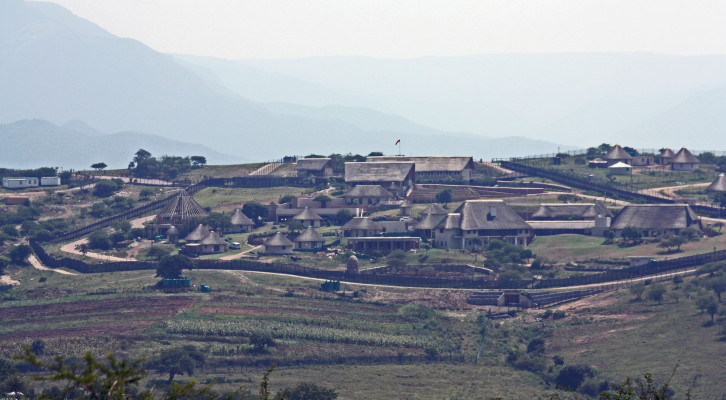
This “spat” between the ANC and Ms Madonsela happened after she wrote to President Zuma on 21 August 2014 about her previous report into the R246 million spent on upgrades at his homestead in Nkandla, KwaZulu-Natal. In her letter, Ms Madonsela cautioned President Zuma that he was “second-guessing” her recommendations and that he should repay part of the money spent on features unrelated to security, such as a swimming pool, cattle kraal, amphitheatre, and visitors’ centre.
In his reply to her report on Nkandla, Zuma indicated that Police Minister Nathi Nhleko needed to determine if he should pay back any of the R246 million. Madonsela wrote in her letter: “I am concerned that the decision you have made regarding the Police Minister gives him power he does not have under law, which is to review my decision taken in pursuit of the powers of administrative scrutiny I am given… by the Constitution.” Unfortunately, Ms Madonsela’s letter to the President was leaked to the media.
The anxieties alluded to above are indeed reasonable and should not be simply brushed aside as inconsequential or, at worst, be met with intimidation. Section 1 of the Constitution provides that South Africa is a ‘democratic state’. Section 2 further states: ‘[t]his Constitution is the supreme law of the Republic; law or conduct inconsistent with it is invalid, and the obligations imposed by it must be fulfilled.’ These are fundamental and overarching provisions. As a constitutional state, organs of state or even political parties should not merely accept opposing views but must encourage them. They must not just pay a lip service, but must take them seriously.
Nonetheless, one gets the feeling that there is an unfortunate misunderstanding of the basic tenets of democracy or a deliberate self-serving view being thrown around by some pundits. The pundits criticising the ANC appear to assume that the concept of democracy excludes those in government or those forming part of the governing political party. More specifically, the bloc erroneously assumes that the ANC officials cannot question or challenge the decisions taken by the Public Protector or, if it must, should do so privately.
Political parties (the governing party included), just like ordinary citizens, have a right to criticise the work of the Public Protector, just like we all have a right to criticise, for example, a judgment that endorses chauvinism or shows that a judge is detached from society’s realities. There is nothing novel, strange or objectionable about such criticism.
The ANC, through its functionaries, has a right to make its views – sometimes robust ones – known. It is unimaginable that the Constitution would only grant such right to opposition parties or to citizens to the exclusion of the governing party or the officials and members of the governing who are also citizens. Surely that is not what constitutional democracy envisioned. Indeed the section 3 of the Constitution provides that: “All citizens are entitled to the same rights, privileges and benefits of citizenship”.
The Office of Public Protector – as it is the case with other accountability institutions or other organs of state – is required to conduct its business within the parameters of the Constitution and the enabling legislation. If the ANC and other citizens, who may not necessarily be allied to the governing party, hold the view that the Public Protector’s conduct is beyond the bounds of the Constitution, then we should not castigate the ANC officials when their conduct is lawful or is well within the parameters of democracy.
The agenda, often hidden, which motivates criticism directed towards accountability institutions is immaterial and irrelevant. The public may be agitated and criticise the ANC but it does not have to. Below I will note instances which pose real threats to democracy and should make us as the public angry.
Even though I am not in any way discussing the substance of the Nkandla Report, and other reports and correspondence which ensued from it, I think it is important to make the following point. I know Ms Madonsela is an intellectually gifted, dedicated and well-respected professional by her colleagues in the legal fraternity. Yet we must also appreciate that she, like her predecessor Mr Lawrence Mushwana, is not a perfect or infallible individual. Being as humble as she is, I do not think she would deny this. What is it the import of this? That the Public Protector may admit that she may have in some way blundered procedurally or substantively. This does not mean she does so consciously or maliciously nor does it talk to her capabilities.
If ANC were to, for instance, impede the Public Protector from calling a witness who is required to give evidence or produce documents, we would be justifiably agitated and restless. We would also be justifiably angry if ANC were to prevent the Public Protector from entering any premises for the purposes of investigation or unduly influence the members of the Justice Portfolio Committee not to approve her budget.
Such conduct (if done with the sole intent to clip her wings) would of course be contrary to section 195 read with section 181(3) of the Constitution, which enjoin other organs of state to assist and protect the Office of the Public Protector to ensure its independence, impartiality, dignity and effectiveness. These ends may be achieved through legislative and other measures. Currently, within the facts available to most of us, the Public Protector has not been obstructed (though there may have been attempts to) from discharging duties.
Besides, I frankly doubt that Ms Madonsela or the Office of Public Protector, would be influenced by thoughtless and appalling remarks made by some officials of the governing party.
The current cold war between the Public Protector and the ANC may prove to be a blessing in disguise. I cautiously argue that it is a healthy debate befitting our constitutional democracy and signifies a major turning point in our politico-constitutional landscape. It also interesting and admirable to see the young and old actively participate through several ways in our modern politics. Though education is still desired – it shows there is there is awareness among the citizenry of government structures and accountability arrangements in place.
Comments
Share On